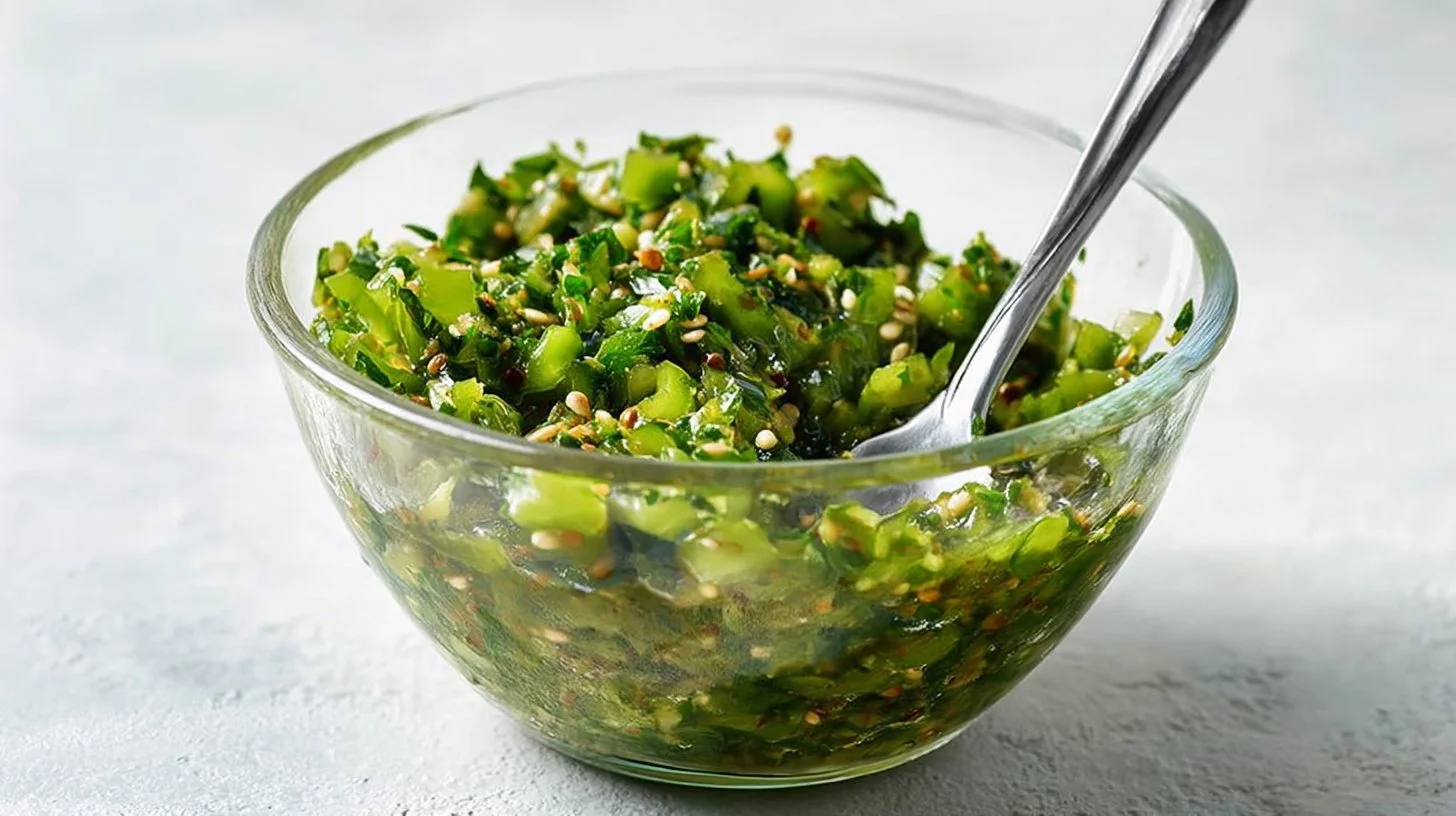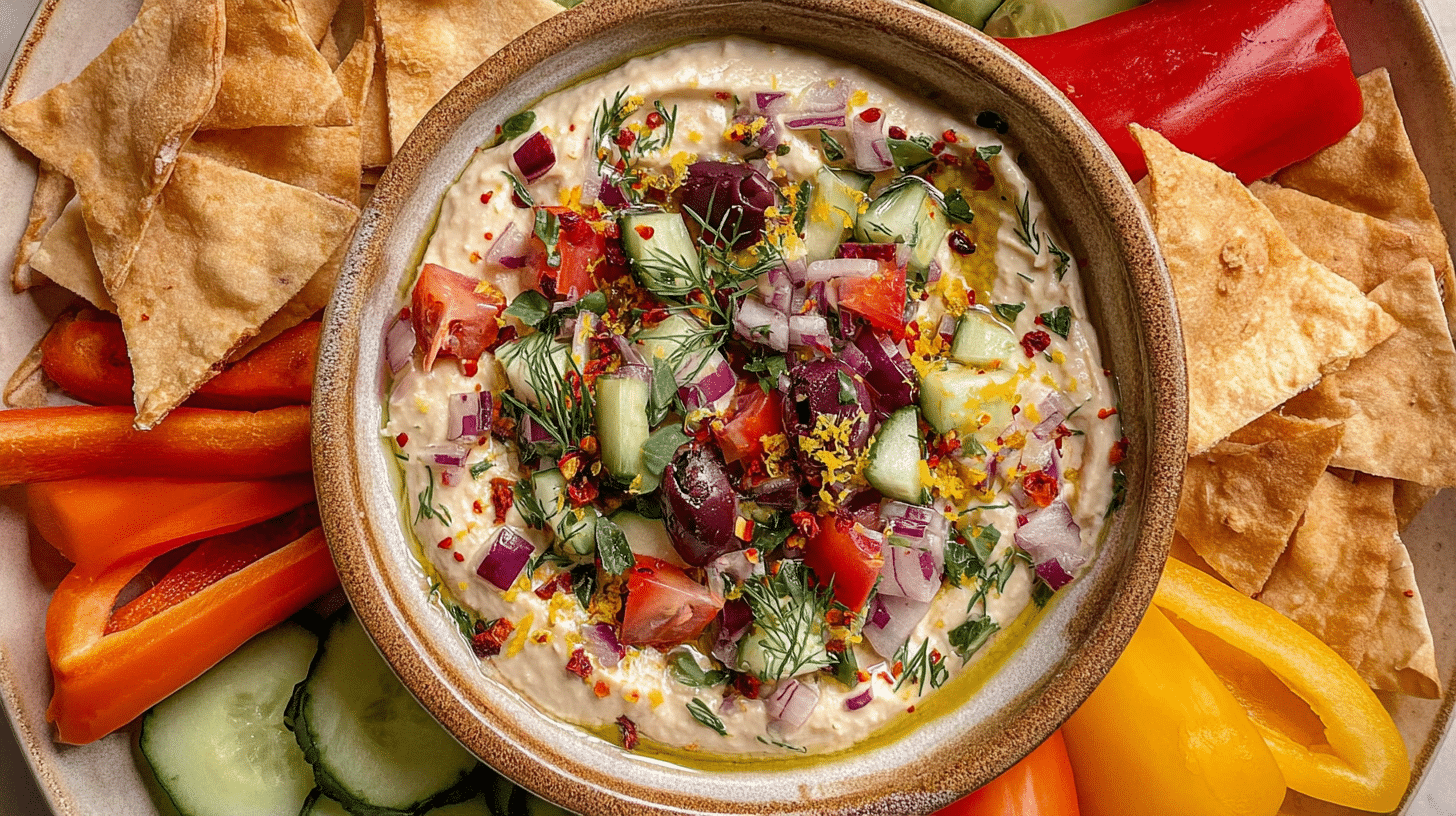
If you’re looking for a snack that’s both satisfying and nutritious, high protein hummus is the answer. This isn’t just any hummus, it’s a creamy, easy-to-make dip that’s packed with ingredients to boost your protein intake without sacrificing taste. Whether you’re snacking after a workout or prepping a healthy appetizer, high protein hummus can be the perfect choice. With the right ingredients, you can transform this classic dip into a powerful, nourishing staple that supports your energy and keeps you feeling full longer.
Table of Contents
Table of Contents

The Ultimate High Protein Hummus (Creamy and Easy)
- Total Time: 10 minutes
- Yield: approx. 2 cups
- Diet: Gluten Free
Description
This easy recipe for high-protein hummus is the perfect healthy snack. Creamy-smooth, and light, this Middle Eastern dip is better than any store-bought hummus! Made with a secret ingredient, cottage cheese, this recipe delivers an irresistibly creamy and flavorful appetizer or snack packed with protein.
Ingredients
- 1 (15-ounce) can Chickpeas, rinsed and drained
- ½ cup Cottage Cheese
- ¼ cup Tahini
- ¼ cup fresh Lemon Juice
- 2 tablespoons Extra Virgin Olive Oil (plus more for garnish)
- 2 cloves Garlic, peeled
- 1 teaspoon Ground Cumin
- ½ teaspoon Sea Salt (or to taste)
- 2–3 Ice Cubes (secret for fluffy texture)
- 2–4 tablespoons Aquafaba (reserved liquid from chickpea can) or Cold Water
Instructions
- Place the garlic cloves and lemon juice into a food processor. Pulse until the garlic is minced, then let it sit for 5 minutes. This reduces the sharp, spicy bite of the raw garlic.
- Add the chickpeas, cottage cheese, tahini, olive oil, cumin, and salt to the food processor. Blend on high for 1-2 minutes until a thick paste forms, scraping down the sides as needed.
- With the processor running, slowly stream in the cold water or aquafaba, one tablespoon at a time, until the hummus reaches a smooth consistency.
- Add the ice cubes and blend on high for another 2-3 minutes. This trick whips air into the hummus, making it incredibly light and fluffy.
- Taste and adjust seasoning if needed. Serve in a bowl, garnished with a drizzle of olive oil, fresh herbs, or paprika.
Notes
Serving Size: ¼ cup – 124 kcal – 8–10g protein
Fat: 11g (1g saturated – 7g unsaturated – 0g trans) – Cholesterol: 1mg
Carbs: 2g – Fiber: 2.4g – Sugar: 1g – Sodium: 399mg
- Prep Time: 10 minutes
- Cook Time: 0 minutes
- Category: Appetizer, Dip, Snack
- Method: No-Bake, Blender/Food Processor
- Cuisine: Mediterranean, American
In this guide, you’ll learn how to make high protein hummus at home using simple methods and ingredients. From Greek yogurt and cottage cheese to protein powder and hemp hearts, we’ll show you four easy ways to increase the protein content. Plus, we’ll share expert tips that make the texture fluffier and creamier than any store-bought version. If you’ve ever wondered how to make your hummus more filling, more flavorful, and more functional, this is your go-to guide.
The Story Behind My High Protein Hummus Obsession
I never planned to become someone who makes their own high protein hummus. Like most people, I used to grab a tub off the shelf and call it a day. But back in my thirties, when constant fatigue started to wear me down, I knew I had to rethink how I was fueling my body. One small change led to another, and before I knew it, my kitchen turned into my personal lab, where hummus became one of my favorite experiments.
It started with basic homemade hummus, but I quickly realized that while it tasted great, it didn’t keep me full. I needed more staying power, especially with my busy days. That’s when I began tweaking the recipe, starting with a scoop of cottage cheese. The result was not just creamier, it turned my snack into a meal. Soon, I tested Greek yogurt, hemp seeds, and even protein powder. Each one gave me a new version of high protein hummus that worked in a different way.
High-protein hummus has now become a staple in my daily routine.
I make it at the start of the week and rotate flavors depending on what I have on hand. It’s quick, it’s versatile, and it keeps me going. Whether I’m topping toast, dipping veggies, or spreading it in a wrap, I know I’m getting protein and real nourishment. If you’re looking for a way to make hummus more satisfying, this is the place to start.
How to Make High Protein Hummus: 4 Ingredient Upgrades
Turning regular hummus into high protein hummus is easier than you might think. A few simple additions can transform this classic dip into a more balanced, filling option that works as a snack or even a light meal. Below are four protein-rich ingredients you can add, each offering its own texture, flavor, and nutritional benefit.
Cottage Cheese
Cottage cheese is a popular way to upgrade hummus. It blends into the chickpeas smoothly, giving the dip a richer and thicker feel. The flavor is mild and slightly creamy, which pairs well with lemon, garlic, and tahini. This version of high protein hummus is especially satisfying thanks to the slow-digesting protein found in cottage cheese, which is the same secret ingredient I use in my popular Cottage Cheese Brownies.
Greek Yogurt
Greek yogurt adds a light tang and boosts the protein content without overpowering the hummus. It creates a softer, airier dip that’s still rich and smooth. If you like a brighter flavor and want the added benefit of probiotics, Greek yogurt makes a great addition. It’s a top choice for those who enjoy high protein hummus with a fresh twist.
Protein Powder
Adding unflavored protein powder is another way to increase protein without changing the traditional hummus flavor. It’s especially helpful for anyone following a fitness routine. Begin with a small quantity and add more if necessary. The texture can thicken slightly, so you may need to add a bit more water or lemon juice to keep it creamy.
Hemp Hearts
Hemp hearts, or shelled hemp seeds, are a great plant-based protein source. They add a mild, nutty taste that blends well with the chickpeas. This is a perfect option for dairy-free or vegan versions of high protein hummus. In addition to protein, hemp also adds healthy fats and fiber.
Each of these additions lets you customize your high protein hummus to fit your needs and preferences.
How to Make High Protein Hummus (Step-by-Step Recipe + Pro Tips)
Now that you know the best ways to boost protein, it’s time to put it all together. This easy recipe uses cottage cheese as the base, but you can swap in any of the other boosters we covered. The result is a smooth, rich high protein hummus that’s ready in minutes. No cooking, no fancy equipment, just a food processor and a few smart steps.

Ingredients
- 1 can (15 oz) cooked chickpeas, drained and rinsed
- ½ cup cottage cheese (or swap with Greek yogurt, hemp hearts, or protein powder)
- ¼ cup tahini
- ¼ cup fresh lemon juice
- 2 tablespoons olive oil (plus more for garnish)
- 2 garlic cloves, peeled
- 1 teaspoon ground cumin
- ½ teaspoon sea salt
- 2 to 4 tablespoons cold water or reserved chickpea liquid (aquafaba)
- 2 to 3 ice cubes
Instructions
Step 1: Soften the Garlic
Add garlic cloves and lemon juice to the food processor first. Blend briefly until the garlic is chopped into small pieces. Let it sit for 5 minutes, this helps mellow the sharpness of raw garlic.
Step 2: Blend the Base
Add chickpeas, cottage cheese, tahini, olive oil, cumin, and salt to the garlic mixture.

Blend for about one minute. Scrape the sides with a spatula as needed to make sure everything is evenly combined.
Step 3: Adjust the Texture
With the motor running on low, slowly pour in the cold water or aquafaba, one tablespoon at a time. Stop when the hummus reaches a smooth consistency that still holds its shape.
Step 4: Make It Fluffy
Add ice cubes and blend on high for 2 to 3 minutes. This trick adds air and helps whip the hummus into an ultra-creamy texture that feels light and smooth.
Step 5: Taste and Serve
Taste and adjust seasoning if needed. Spoon into a bowl and top with olive oil, a sprinkle of paprika, or fresh herbs. Serve immediately or store in the fridge.
Pro Tips for the Creamiest High Protein Hummus
- Use ice cubes at the end to help incorporate air and chill the mixture for better texture.
- For ultra-smooth results, peel chickpeas or simmer them briefly with baking soda before blending.
- Aquafaba adds both moisture and body, use it instead of water for better creaminess.
- Let garlic soak in lemon juice first to soften its bite without losing flavor.
This method delivers high protein hummus that’s thick, fluffy, and deeply flavorful. Whether you’re spreading it on toast, dipping veggies, or using it in wraps, it works in nearly every situation.
Flavor Variations and Creative Toppings for High Protein Hummus
Once you’ve mastered the basic recipe, it’s easy to keep things interesting by adding new flavors or toppings. High protein hummus is incredibly versatile, you can go bold, sweet, spicy, or earthy depending on what you’re in the mood for. Here are some of the most popular and unexpected ways to upgrade your next batch.
Popular Flavor Variations
Roasted Red Pepper Hummus
Add ½ cup of roasted red peppers (jarred or homemade) before blending. This gives the hummus a smoky, slightly sweet taste with a beautiful red color.
Beet Hummus
Add ½ cup of cooked beets for a vibrant magenta hue and earthy depth. It pairs well with citrus and adds extra fiber.
Pesto Hummus
Blend in 2 tablespoons of basil pesto for a fresh, herby spin. It adds a burst of flavor and a rich green color.
Spicy Sriracha Hummus
Stir in 1–2 teaspoons of sriracha or your favorite hot sauce. Top with chili flakes or a drizzle of chili oil for extra heat.
Smoky Paprika Hummus
Add 1 teaspoon of smoked paprika and an extra dash of cumin. This version has a deep, warm flavor and is perfect for serving with pita chips.
Chocolate Dessert Hummus
Swap garlic, lemon, and cumin for cocoa powder, maple syrup, and a splash of vanilla. This sweet twist creates a creamy, high protein hummus that works as a dessert or snack, and if you enjoy healthy dessert dips, you have to try my High Protein Dunkaroo Dip.
Gourmet Topping Combinations
Taking just a few extra seconds to top your hummus makes it feel like a restaurant-quality dish. Try any of these combinations to boost presentation and flavor.
- Olive oil + pine nuts + za’atar
- Crumbled feta + chopped cucumber + fresh dill
- Sun-dried tomatoes + kalamata olives + parsley
- Toasted sesame seeds + lemon zest + a drizzle of tahini
- Pomegranate seeds + crushed pistachios for a sweet-salty finish
You can also serve your high protein hummus as the base for a hummus bowl, just add chopped veggies, grains, or grilled protein on top. It becomes a quick and balanced meal with almost no effort.
These flavor and topping ideas let you enjoy high protein hummus in endless ways, from classic to creative. Whether you’re serving guests or prepping for the week, rotating through these variations keeps things fun and fresh.

Homemade vs. Store-Bought: Is High Protein Hummus Healthier When You Make It Yourself?
Many people turn to store-bought hummus for convenience, but when it comes to nutrition and flavor, making high protein hummus at home gives you a major advantage. Let’s break down how the two compare and why preparing it yourself might be worth the extra ten minutes.
Store-Bought Hummus: What’s Inside?
Most brands on the shelf offer a standard version of hummus made with chickpeas, tahini, oil, and seasonings. While some now advertise added protein, their sources are often limited and the overall amounts vary. A typical container might include added dairy, but the total protein per serving rarely exceeds 3 to 5 grams.
What’s more, many brands use preservatives, citric acid, and extra oils to extend shelf life and cut production costs. This can lead to a thinner, less creamy texture and an overly tangy flavor. If you’re looking for high protein hummus to keep you full and energized, many commercial versions fall short.
Why Homemade Is Better
When you make your own high protein hummus, you control every ingredient. You can choose the protein booster that fits your dietary goals, whether it’s cottage cheese, Greek yogurt, hemp hearts, or protein powder. You also decide how much salt, oil, and lemon juice to use, so nothing tastes too sharp or too bland.
Homemade versions also tend to be thicker, fresher, and far more customizable. Want it extra garlicky? Add more cloves. Prefer it whipped and fluffy? Use the ice cube trick. And unlike store-bought tubs, there’s no guesswork about additives or texture stabilizers.
Brand Snapshot
While popular brands like Trader Joe’s, Cedar’s, and Sabra offer different flavors and textures, they rarely label protein content clearly, especially when it’s boosted. And few use diverse protein sources beyond chickpeas. That makes it hard to track what you’re actually getting.
Final Word
If you care about quality, taste, and nutrition, making your own high protein hummus is the clear winner. It takes just a few minutes, requires simple ingredients, and can be tailored to fit your exact needs.
Make It Your Go-To Smart Snack
High protein hummus is more than just a flavorful dip, it’s a quick, customizable snack that can support your energy, balance your meals, and satisfy your cravings. Whether you choose cottage cheese for richness, yogurt for tang, or hemp hearts for a plant-based approach, the power is in your hands. With a few simple ingredients and five to ten minutes, you can create a creamy, filling dip that beats anything you’ll find in a plastic container.
Now that you know how to boost, blend, and flavor your hummus like a pro, you’ve got a recipe that works for busy days, dinner parties, and everything in between, just like my popular Protein Oreo Fluff.
Try a new variation next time, top it with something fresh, and enjoy a better way to snack.
For more recipes, follow me on Pinterest.
FAQs:
Which hummus is high in protein?
Hummus made with added ingredients like cottage cheese, Greek yogurt, hemp hearts, or unflavored protein powder is considered high in protein. These additions boost the protein per serving well beyond traditional hummus made with just chickpeas and tahini.
How do you add protein to hummus?
To increase the protein, you can blend in cottage cheese, Greek yogurt, shelled hemp seeds, or a small amount of unflavored protein powder. Each of these options blends smoothly and enhances the nutritional value without changing the recipe drastically.
How to increase the protein content of hummus?
Start with your base ingredients, chickpeas, tahini, lemon, garlic, and add a protein-rich element. Cottage cheese offers a creamy texture, while Greek yogurt brings lightness. You can also try adding hemp hearts for a plant-based option or protein powder for a quick, high-impact boost.
Is hummus dip high in protein?
Standard hummus offers moderate protein from chickpeas and tahini, usually around 2–3 grams per two tablespoons. When modified with a protein booster, high protein hummus can contain 8–10 grams or more per serving, making it a more filling, nutritious choice.