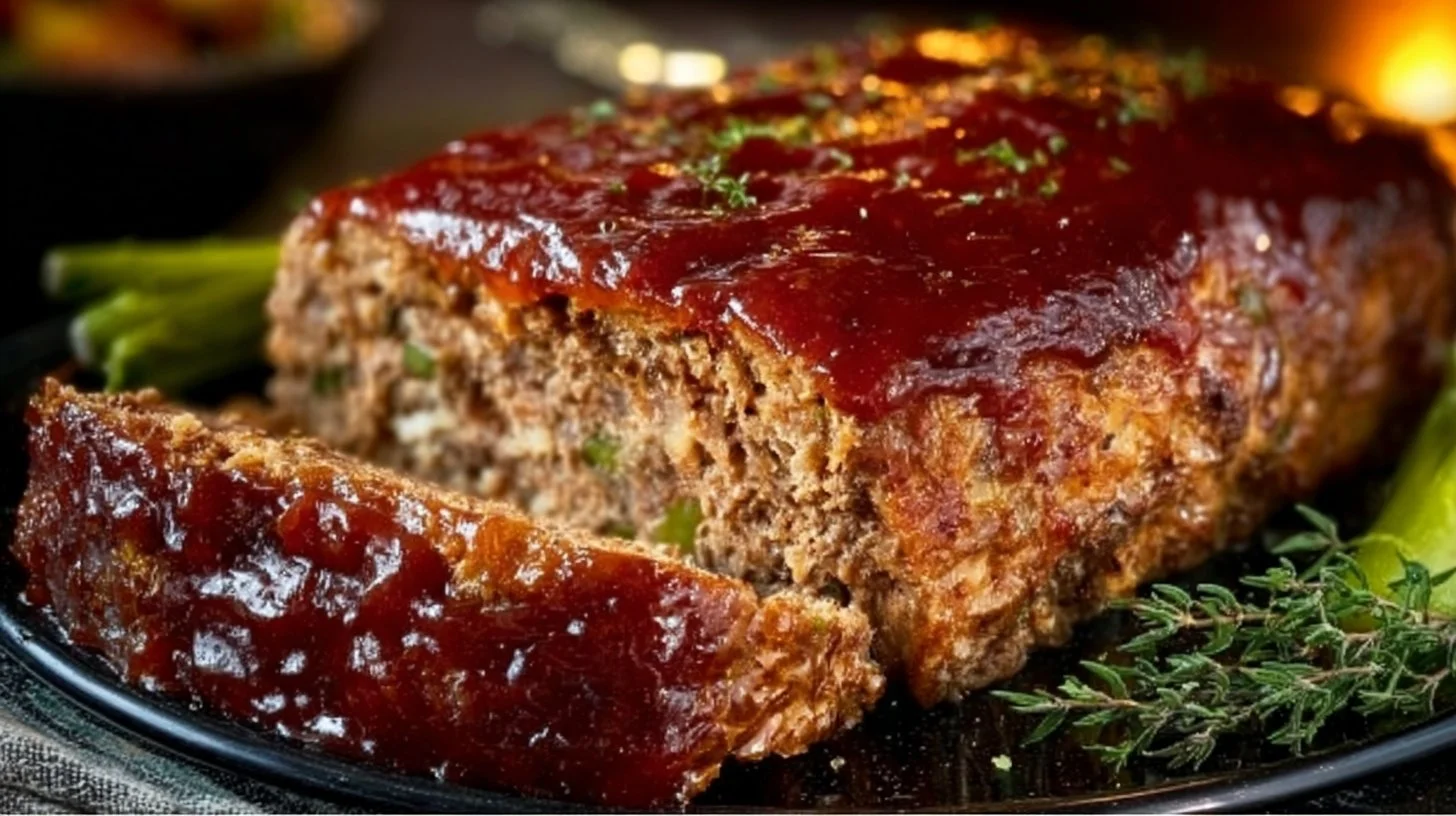
My first attempt at making meatloaf worthy of Gordon Ramsay’s standards was an absolute disaster. It came out dry, dense, and frankly embarrassing—the kind of meal you’d rather forget than serve. But after studying Ramsay’s approach to this classic comfort food and testing different techniques, I finally cracked the code. His version transforms humble meatloaf into something that feels restaurant-quality: deeply flavorful, impossibly juicy, and topped with a glaze that actually tastes intentional.
Why you’ll love this dish
This isn’t your average weeknight meatloaf. Ramsay’s approach elevates every element—from using a mix of beef and pork for optimal texture to building layers of flavor with Worcestershire, Dijon, and fresh herbs. The result is a meatloaf that’s tender and moist without being mushy, with a caramelized exterior that adds visual appeal and flavor complexity.
What makes this recipe particularly brilliant is how it balances sophistication with practicality. It’s fancy enough to serve dinner guests who claim they don’t like meatloaf (they’ll ask for seconds), yet straightforward enough for a Tuesday night. The secret additions—sautéed aromatics and a touch of grated carrot for moisture—make all the difference without complicating the process.
“The glaze is fantastic! The carrots in the meat was a brilliant way to add more moisture. My picky 3 & 5 year olds devoured dinner.” — Kevin Storm
How this recipe comes together
Ramsay’s technique starts with properly preparing the vegetables—sautéing onions, garlic, and grated carrot until softened brings out natural sweetness and ensures they won’t add unwanted crunch or harsh flavors to the finished loaf. Once cooled, these aromatics get mixed with a combination of ground beef and pork, which provides the perfect balance of flavor and fat for a tender, juicy texture.
The mixture includes eggs and milk-soaked breadcrumbs as binders, along with Worcestershire sauce and Dijon mustard for depth. Instead of baking in a traditional loaf pan, you’ll shape the mixture freeform on a baking sheet—this allows better air circulation and creates a beautifully caramelized crust all around. The glaze, made with ketchup, brown sugar, Dijon, and Worcestershire, gets brushed on partway through cooking and again near the end for maximum flavor impact.
What you’ll need
For the meatloaf:
- 1 lb ground beef (80/20 blend for optimal fat content)
- 1 lb ground pork (adds tenderness and richness)
- 1 small onion, finely diced
- 2 garlic cloves, minced
- 1 medium carrot, grated (optional but highly recommended)
- 2 eggs, beaten
- ½ cup milk
- ¾ cup fresh breadcrumbs (panko works well too)
- 2 tablespoons Worcestershire sauce
- 1 tablespoon Dijon mustard
- 1 teaspoon salt
- ½ teaspoon black pepper
- 1 teaspoon fresh thyme, chopped (or ½ teaspoon dried)
For the glaze:
- ¼ cup ketchup
- 1 tablespoon brown sugar
- 1 tablespoon Dijon mustard
- 1 teaspoon Worcestershire sauce
Chef’s note: The combination of beef and pork is crucial—all beef makes the loaf too dense and dry.
Step-by-step instructions
Prep your workspace: Preheat your oven to 375°F and line a baking sheet with parchment paper for easy cleanup.
Sauté the vegetables: Heat a small amount of olive oil in a skillet over medium heat. Add the diced onion, minced garlic, and grated carrot. Cook for 5-7 minutes, stirring occasionally, until the vegetables are soft and fragrant. Remove from heat and let cool slightly—adding hot vegetables directly to the meat mixture can start cooking the eggs prematurely.
Combine the meatloaf mixture: In a large bowl, combine the ground beef, ground pork, cooled sautéed vegetables, beaten eggs, milk, breadcrumbs, Worcestershire sauce, Dijon mustard, fresh thyme, salt, and black pepper. Mix gently with your hands just until everything is evenly incorporated. Don’t overwork the mixture or the finished meatloaf will be tough and rubbery.
Shape the loaf: Transfer the mixture to your prepared baking sheet and shape it into a loaf approximately 9×5 inches. The freeform shape allows fat to drain away and promotes even browning on all sides.
Apply the first glaze layer: In a small bowl, whisk together the ketchup, brown sugar, Dijon mustard, and Worcestershire sauce. Brush about half of this glaze evenly over the top and sides of the meatloaf.
Bake: Place in the preheated oven and bake for 40 minutes. Remove from the oven and brush with the remaining glaze. Return to the oven and continue baking for another 10-15 minutes, until the internal temperature reaches 160°F when measured with a meat thermometer.
Rest before serving: This step is crucial—let the meatloaf rest on the baking sheet for 10 minutes before slicing. This allows the juices to redistribute throughout the meat, ensuring moist slices that hold together beautifully.
Best ways to enjoy it
Serve thick slices of this meatloaf with classic British sides like creamy mashed potatoes or Gordon Ramsay’s famous potato gratin for an elevated experience. Roasted root vegetables—carrots, parsnips, and Brussels sprouts—complement the rich meat beautifully and add color to the plate.
For a more casual approach, pair it with simple steamed green beans, buttered peas, or a crisp garden salad with a sharp vinaigrette to cut through the richness. Warm crusty bread on the side is perfect for mopping up any glaze.
Leftover meatloaf makes exceptional sandwiches. Layer thick slices on toasted sourdough with sharp cheddar, crispy lettuce, sliced tomatoes, and a smear of Dijon mustard or mayonnaise. Some people even enjoy it cold straight from the fridge.
Storage and reheating tips
Store leftover meatloaf in an airtight container in the refrigerator for up to 4 days. The flavors continue to develop as it sits, often making day-two slices even more delicious than fresh.
To reheat individual portions, place slices on a microwave-safe plate, cover with a damp paper towel, and microwave for 1-2 minutes. For superior texture and to maintain that caramelized crust, reheat in a 350°F oven for 10-15 minutes instead.
For longer storage, wrap individual slices tightly in aluminum foil, then place in a freezer-safe bag or container. Label with the date and freeze for up to 3 months. Thaw overnight in the refrigerator before reheating. You can also freeze the uncooked, shaped meatloaf—wrap it securely and freeze for up to 3 months, then thaw completely before baking as directed.
Helpful cooking tips
Use your hands to mix the meatloaf ingredients rather than a spoon or mixer. Hands are more effective and help you feel when everything is just combined—stop mixing as soon as the ingredients come together to avoid overworking the meat.
The combination of beef and pork is essential for both flavor and texture. Using only beef creates a denser, drier loaf, while the pork adds fat and tenderness that keeps everything moist.
Toasting your breadcrumbs briefly in the oven before adding them to the mixture adds an extra layer of flavor depth that makes a noticeable difference.
Always use a meat thermometer to check for doneness. The center should reach 160°F—guessing can lead to undercooked (unsafe) or overcooked (dry) meatloaf.
Baking freeform on a sheet pan instead of in a loaf pan is crucial. It allows fat to drain away, promotes even cooking, and creates a caramelized crust all around rather than soggy, steamed edges.
Creative twists
Italian inspired: Swap the glaze for marinara sauce and add fresh basil and grated Parmesan cheese to the meat mixture. Top with mozzarella during the last 5 minutes of baking.
Spicy kick: Add 1 teaspoon smoked paprika and ½ teaspoon red chili flakes to the meat mixture for heat. Consider using chipotle ketchup in the glaze.
Low-carb version: Replace breadcrumbs with almond flour or crushed pork rinds. The texture is slightly different but still delicious and holds together well.
Turkey alternative: Substitute ground turkey for a leaner option, but add 1-2 tablespoons of olive oil to the mixture to compensate for lower fat content. Cook to 165°F internal temperature.
Bacon-wrapped: For an extra indulgent version, wrap the shaped meatloaf in strips of bacon before applying the glaze and baking.
Common questions
What makes Gordon Ramsay’s meatloaf different from regular meatloaf?
The key differences are using a combination of beef and pork for better texture, sautéing the aromatics first for deeper flavor, incorporating Dijon mustard and Worcestershire for complexity, and baking freeform for a caramelized crust. It’s about layering flavors rather than just mixing ingredients.
Can I use only ground beef for this recipe?
You can, but the results won’t be as tender or flavorful. Ground pork adds fat and a subtle sweetness that keeps the meatloaf moist. If you must use only beef, choose 80/20 and consider adding a tablespoon of olive oil to compensate for the missing fat from the pork.
Can I make this meatloaf ahead of time?
Absolutely. Assemble the complete meatloaf, shape it on the baking sheet, wrap tightly with plastic wrap, and refrigerate for up to 24 hours. Let it sit at room temperature for 15-20 minutes before baking, or add a few extra minutes to the cooking time if baking straight from cold.
How do I prevent my meatloaf from falling apart when slicing?
The eggs and breadcrumbs act as binders, so make sure you’re using the full amounts. The most common mistake is cutting into the meatloaf too soon—always let it rest for at least 10 minutes after baking to allow the proteins to set and the juices to redistribute.
What temperature should meatloaf be cooked to?
The internal temperature should reach 160°F when measured in the thickest part of the loaf. This ensures the meat is fully cooked and safe to eat while remaining juicy and tender.
Why do you grate carrots into the meatloaf?
Grated carrot adds moisture without making the meatloaf wet or giving it a vegetable-forward taste. It breaks down during cooking and helps keep the texture tender throughout. It’s a secret ingredient that works beautifully without announcing itself.
Print
Gordon Ramsay’s Perfect Meatloaf
- Total Time: 65 minutes
- Yield: 6 servings
- Diet: Paleo
Description
A restaurant-quality meatloaf that is deeply flavorful, juicy, and topped with a delicious glaze.
Ingredients
- 1 lb ground beef (80/20 blend)
- 1 lb ground pork
- 1 small onion, finely diced
- 2 garlic cloves, minced
- 1 medium carrot, grated (optional)
- 2 eggs, beaten
- ½ cup milk
- ¾ cup fresh breadcrumbs (panko)
- 2 tablespoons Worcestershire sauce
- 1 tablespoon Dijon mustard
- 1 teaspoon salt
- ½ teaspoon black pepper
- 1 teaspoon fresh thyme, chopped (or ½ teaspoon dried)
- ¼ cup ketchup (for glaze)
- 1 tablespoon brown sugar (for glaze)
- 1 tablespoon Dijon mustard (for glaze)
- 1 teaspoon Worcestershire sauce (for glaze)
Instructions
- Preheat your oven to 375°F and line a baking sheet with parchment paper.
- Heat olive oil in a skillet over medium heat. Add onion, garlic, and carrot. Cook for 5-7 minutes until softened. Remove from heat and let cool.
- In a large bowl, combine ground beef, ground pork, cooled vegetables, eggs, milk, breadcrumbs, Worcestershire sauce, Dijon mustard, thyme, salt, and pepper. Mix with hands until just incorporated.
- Shape the mixture into a loaf on the baking sheet.
- In a small bowl, whisk together glaze ingredients and brush half over the meatloaf.
- Bake for 40 minutes, brush with remaining glaze, and bake for an additional 10-15 minutes until the internal temperature reaches 160°F.
- Let the meatloaf rest on the baking sheet for 10 minutes before slicing.
Notes
The combination of beef and pork is crucial for texture. Letting the meatloaf rest is essential for moisture.
- Prep Time: 15 minutes
- Cook Time: 50 minutes
- Category: Main Course
- Method: Baking
- Cuisine: American